Style
Wabi sabi interior design
Wabi sabi is a Japanese idea about finding beauty in things that are simple, natural and a little imperfect. At home, it means textured walls, handmade objects and materials that age well. Here is how it works.
Try with 2 free designs
What is wabi sabi interior design?
Wabi sabi interior design is based on the Japanese idea of beauty in imperfection. It uses textured plaster or limewash walls, natural and reclaimed materials, handmade ceramics, earthy colors and objects that show their age. The result is calm, warm and lived in.
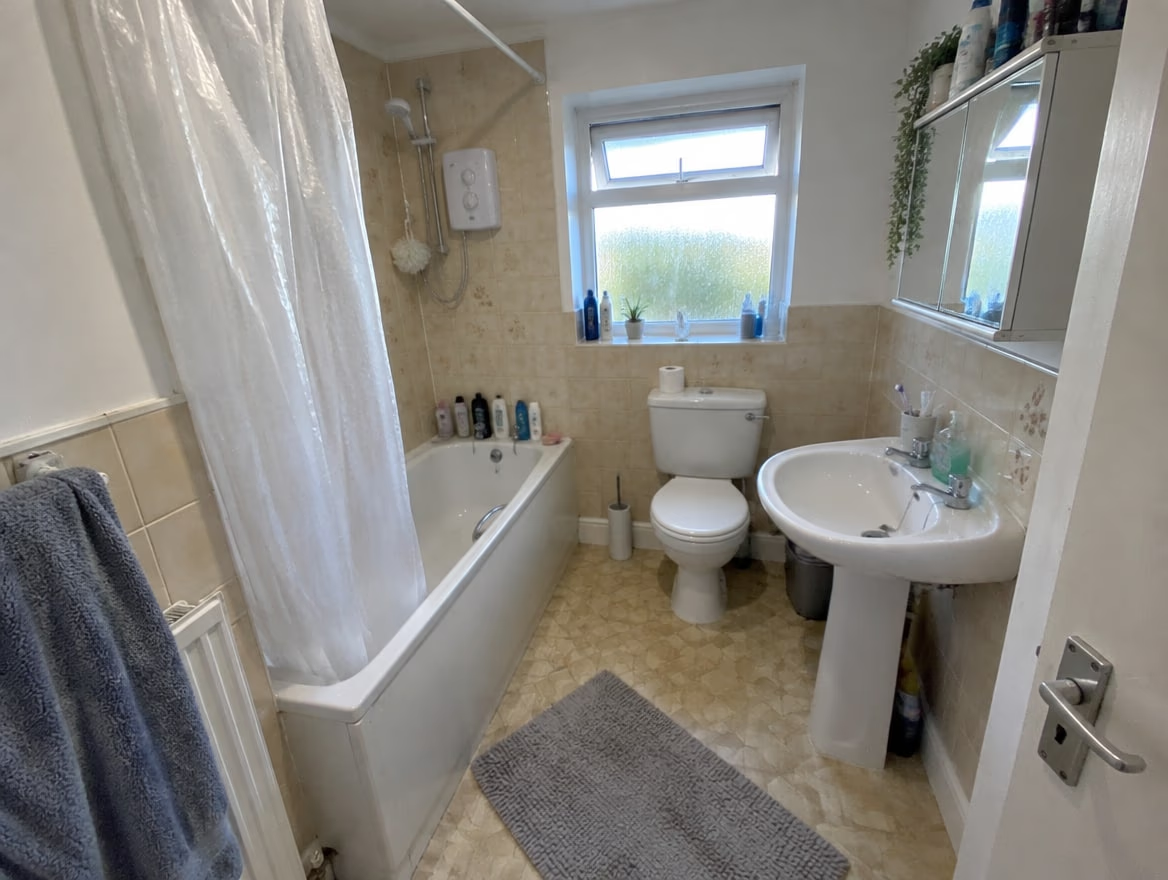
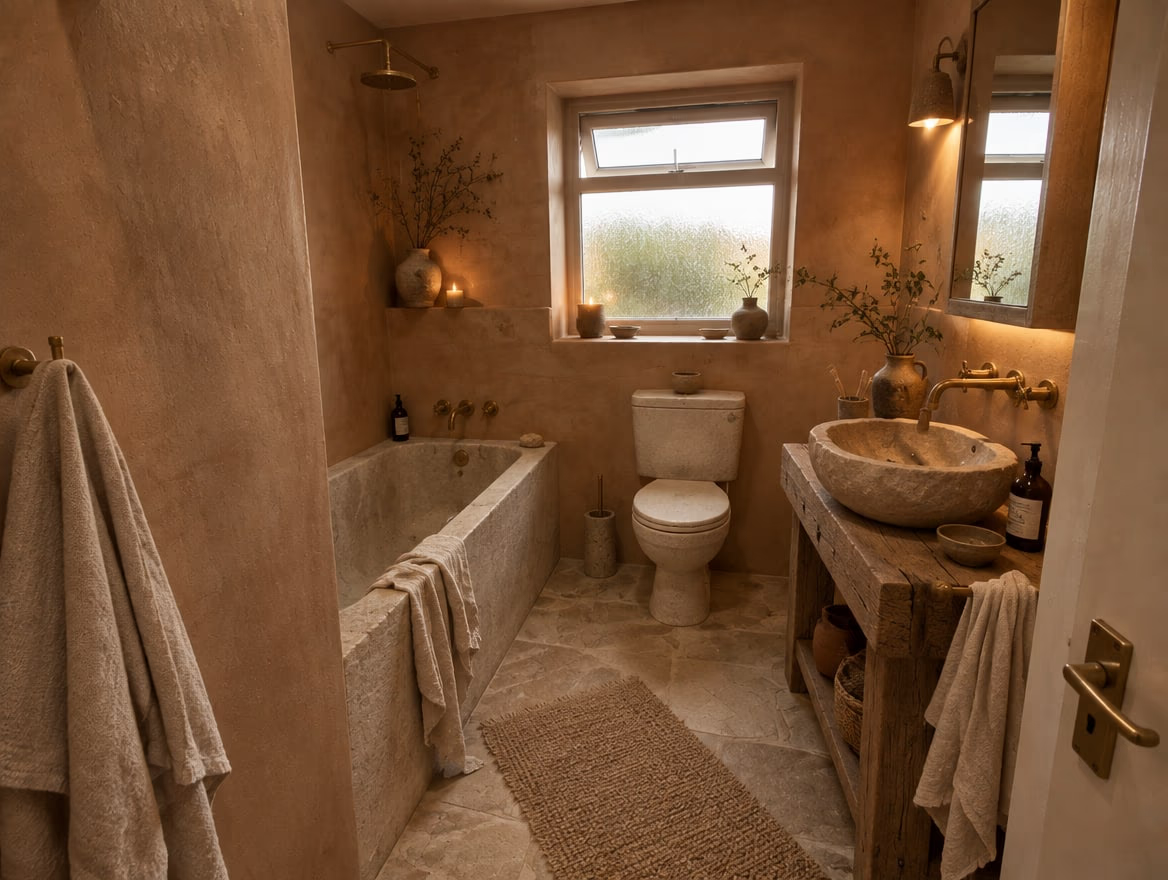
Same walls, same window, same camera. Only the design changed.
Key elements of wabi sabi design
-
Textured walls
Limewash, lime plaster or clay finishes with visible movement. This is the biggest single change you can make.
-
Handmade objects
Ceramics with uneven shapes, hand-carved wood and linen that wrinkles.
-
Natural, aged materials
Reclaimed wood, stone, aged metal and worn leather. Marks and patina are welcome.
-
Earthy, muted colors
Clay, stone, ash, ochre and soft charcoal, with very little contrast.
-
Few, meaningful pieces
A small number of objects, each one chosen with care.
- Color palette
- Clay, sand, stone and warm gray. Faded ochre and rust. Soft charcoal. No bright white and no saturated colors.
- Materials and furniture
- Limewash and lime plaster, reclaimed and raw wood, stoneware and terracotta, linen, stone, aged brass and iron. Low wooden benches, rough-hewn tables and linen-covered sofas.
- Watch out for
- Looking unfinished. Without care, wabi sabi can look messy or neglected. The difference is quality: a hand-finished plaster wall looks intentional, a badly painted one does not.
In the app this style is called Wabi Sabi.
How to bring wabi sabi into your home
-
Change the walls
Use limewash or clay paint in a warm earthy tone for a soft, textured finish.
-
Swap shiny for natural
Replace glossy and plastic items with wood, stone, linen and ceramic.
-
Add handmade pieces
Bring in a few handmade ceramics, a wooden bowl or a linen throw. Add them slowly over time.
-
Keep it sparse
Leave space around each piece so its texture and shape can be seen.
-
Preview it on your room
Take a photo and apply the Wabi Sabi style in RoomGPT to see textured walls and natural materials in your space.
Wabi sabi ideas, room by room
-
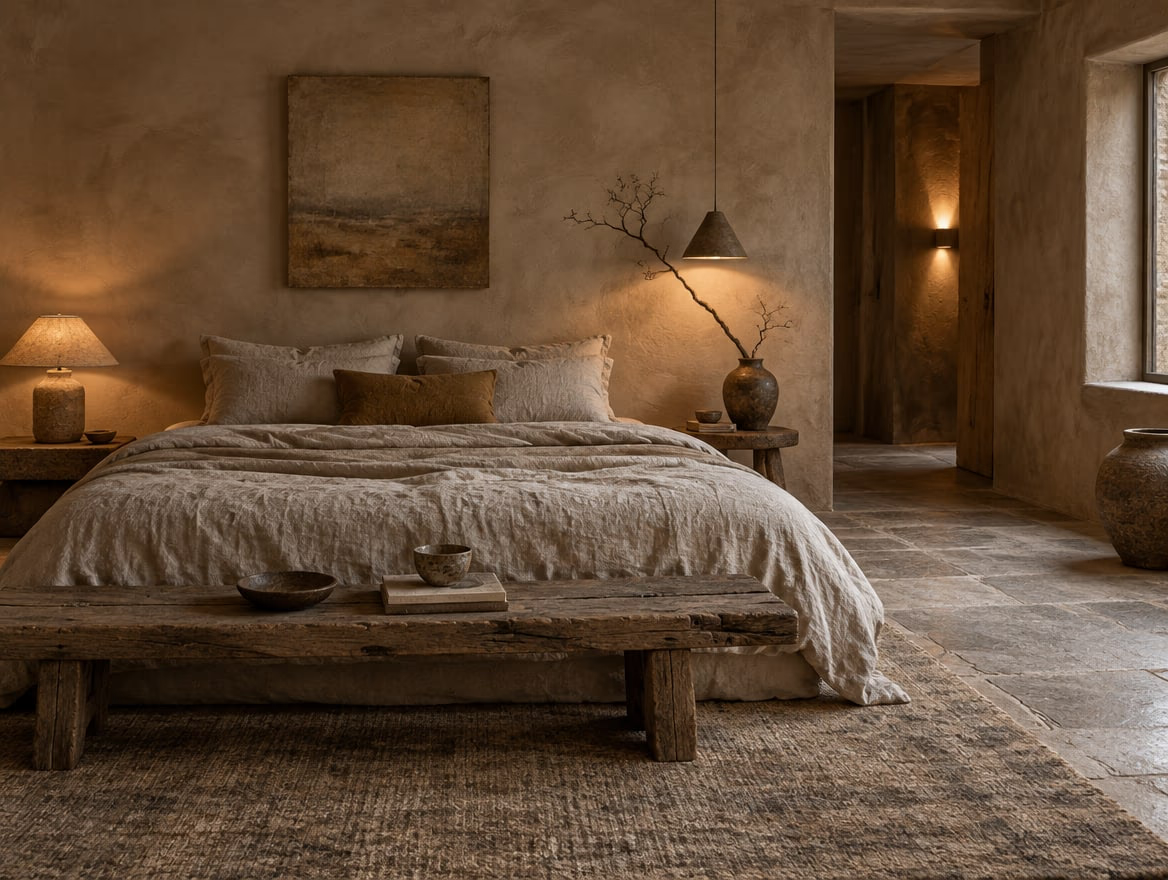
Limewashed walls, a low wood bed and rumpled linen bedding in clay tones.
-
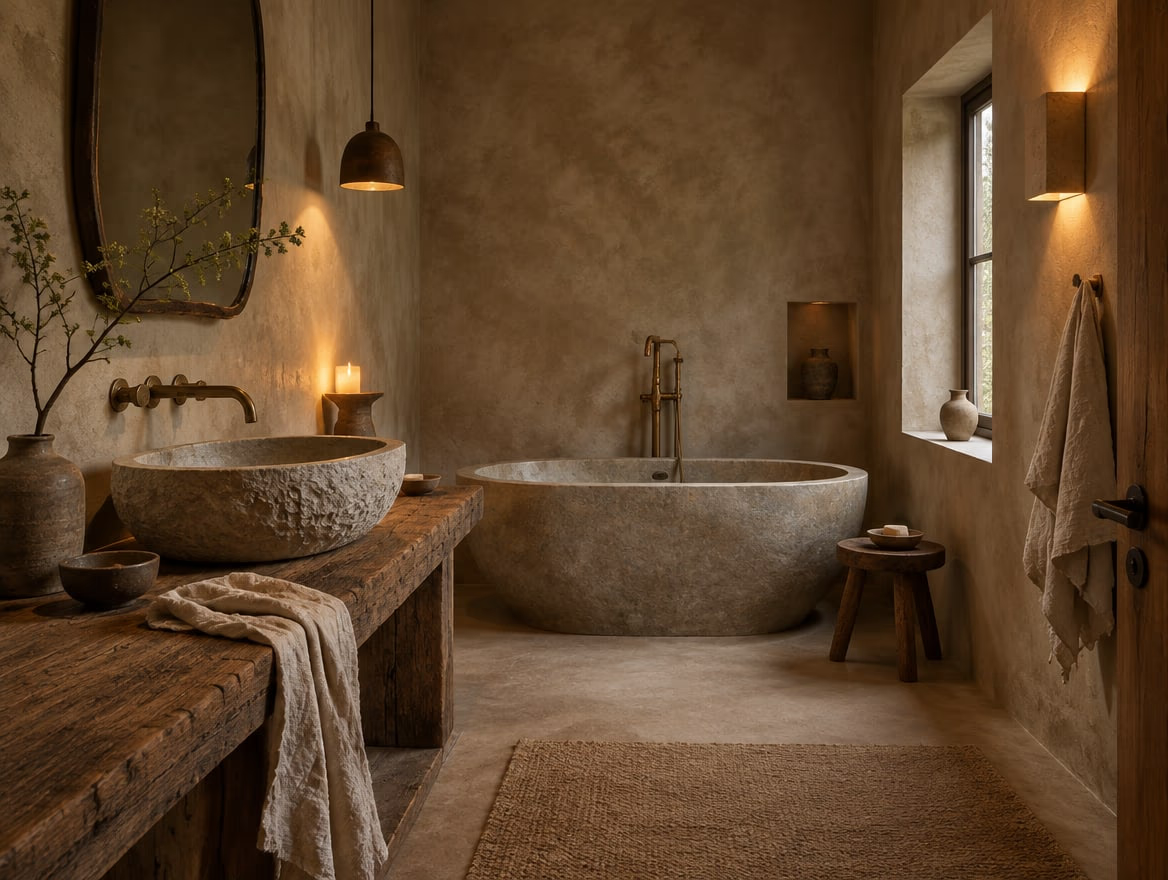
Lime plaster walls, a stone basin and a wooden stool.
-
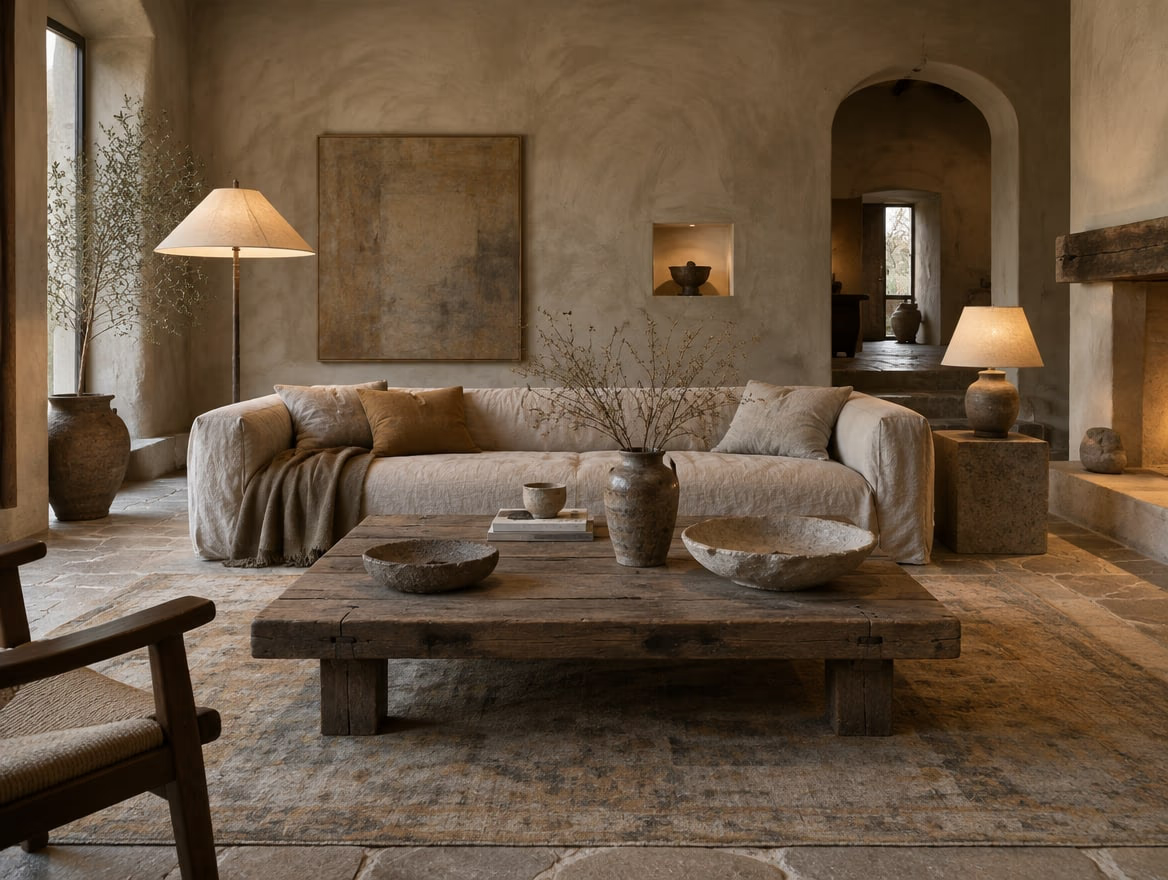
A linen sofa, a rough wood coffee table and a few handmade ceramics.
-
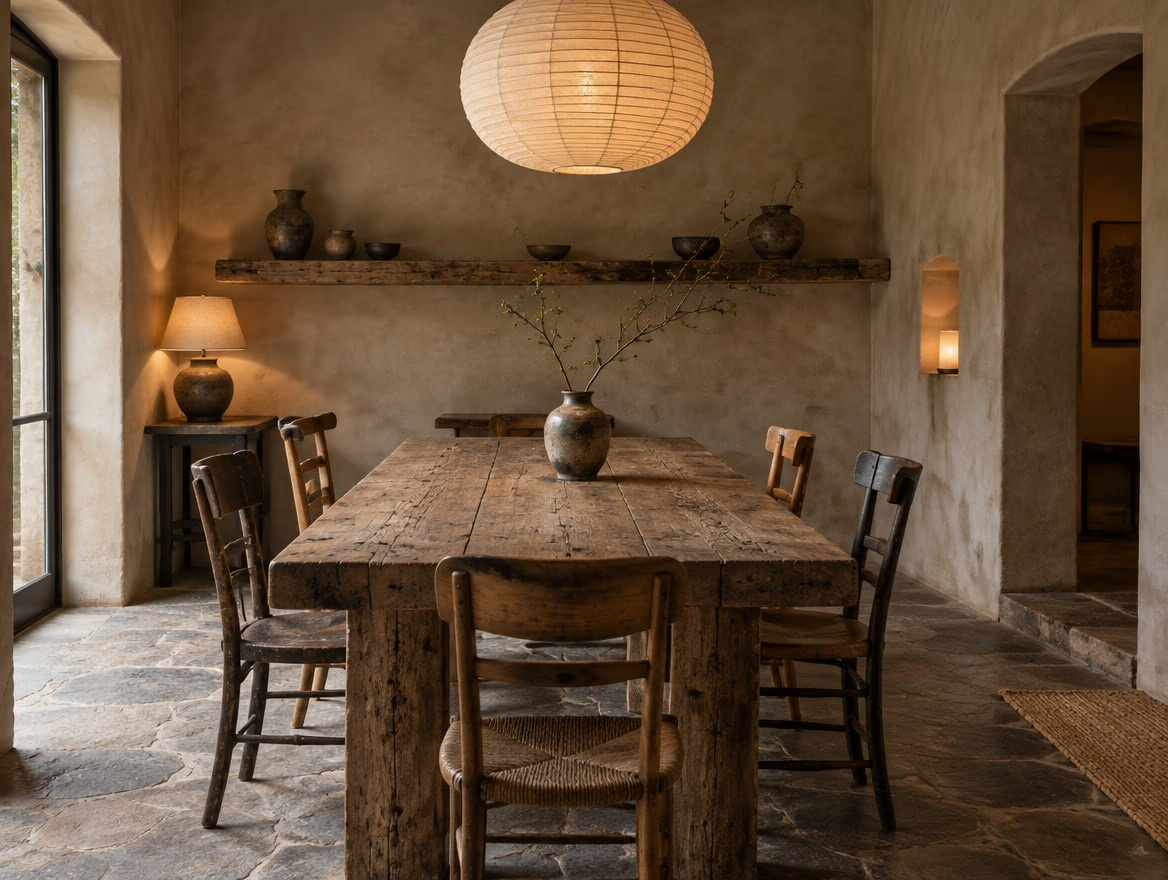
A reclaimed wood table, simple wooden chairs and a paper pendant.
Wabi sabi questions, answered
What does wabi sabi mean in interior design?
- It means choosing natural, simple and slightly imperfect things over perfect, mass-produced ones. Think textured walls, handmade ceramics, reclaimed wood and soft earthy colors.
Is wabi sabi the same as Japandi?
- They are related but different. Japandi mixes Japanese and Scandinavian design and stays clean and refined. Wabi sabi is rougher and more organic, with more texture, age and imperfection.
How can I do wabi sabi on a budget?
- Limewash paint is inexpensive and does most of the work. Then add handmade or vintage pieces slowly. Secondhand finds suit the style perfectly.
What colors are used in wabi sabi?
- Muted earth tones: clay, sand, stone, ash gray, ochre and soft charcoal. Avoid bright white and strong colors.
Does wabi sabi work with the furniture I already have?
- Often, yes. Worn wood, old leather and vintage pieces fit right in. Glossy, perfectly smooth furniture is what tends to clash.
Styles people compare it with
- Japandi interior design Japandi interior design is a blend of Scandinavian and Japanese style.
- Minimalist interior design Minimalist interior design keeps a room to the essentials: fewer pieces, clear surfaces, closed storage and a very small color palette.
- Green interior design Green interior design uses green as the main color of a room, most often muted shades like olive, sage and forest green.
See Wabi sabi on a particular room
See Wabi sabi on your own room.
Try with 2 free designs